
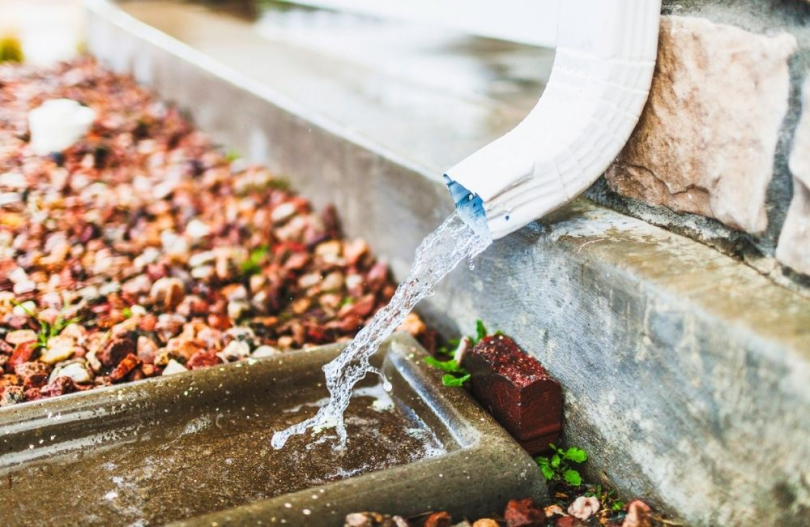

Proper downspout placement is a crucial aspect of home drainage that often goes unnoticed until problems arise. When downspouts are incorrectly positioned or insufficient in number, rainwater can pool around your foundation, leading to costly water damage, basement flooding, and even structural issues over time. Effective downspout systems channel water away from your home, protecting landscaping, preventing soil erosion, and maintaining the integrity of your property. Understanding the importance of downspout placement can help homeowners avoid common drainage pitfalls and ensure their homes remain dry and secure, regardless of the weather conditions.
Key factors in downspout placement
The role of downspouts in home drainage
Downspouts serve as the final exit point for rainwater collected by your gutters, directing it safely away from your home’s foundation. Their placement is not arbitrary; it is a calculated decision that takes into account the roof’s size, slope, and the overall layout of your property. When downspouts are positioned too close to the foundation or discharge water in areas with poor drainage, the risk of water infiltration increases significantly. Over time, this can lead to foundation cracks, mold growth, and even compromise the structural stability of your home. Properly placed downspouts ensure that water is efficiently diverted to areas where it can be absorbed or drained away without causing harm. This not only protects your home but also preserves the surrounding landscape, preventing unsightly erosion and maintaining curb appeal.
How improper placement leads to costly damage
Improper downspout placement is a common cause of water-related issues in residential properties. When downspouts discharge water too close to the house, the soil around the foundation becomes saturated, which can result in basement leaks and foundation settling. In colder climates, this excess moisture can freeze and expand, causing cracks in both the foundation and exterior walls. Additionally, water that is not directed away from walkways and driveways can create slippery surfaces, posing a safety hazard for residents and visitors. Homeowners seeking a reliable solution often turn to professional services like gutter install hanover to ensure their downspouts are correctly positioned and functioning optimally. By investing in proper placement, you can avoid the expense and inconvenience of repairs caused by water damage, while also extending the lifespan of your home’s exterior features.
Downspout extensions and splash blocks
Downspout extensions and splash blocks are essential accessories that enhance the effectiveness of your drainage system. Extensions carry water further away from the foundation, reducing the risk of pooling and soil erosion near your home. Splash blocks, placed at the end of downspouts, help disperse water evenly and prevent it from washing away soil or mulch. These simple additions can make a significant difference in how well your property handles heavy rainfall. By ensuring that water is directed at least several feet from your home, you protect both your foundation and your landscaping from the damaging effects of uncontrolled runoff.
Common mistakes in downspout placement
One of the most frequent mistakes homeowners make is placing downspouts in locations that do not account for the natural slope of the land. If a downspout empties onto a flat or upward-sloping area, water can quickly accumulate and seep back toward the foundation. Another common error is failing to install enough downspouts for the size of the roof. Large roofs require multiple downspouts to handle the volume of water generated during storms. When too few downspouts are installed, gutters can overflow, and water may spill over the sides, defeating the purpose of the drainage system. Additionally, some homeowners neglect to maintain their downspouts, allowing debris to build up and block the flow of water. Regular inspection and cleaning are necessary to keep the system functioning as intended. By avoiding these mistakes, you can ensure that your home remains protected from water damage year-round.
The impact of landscaping on drainage
Landscaping plays a significant role in the effectiveness of your downspout system. The placement of flower beds, shrubs, and hardscaping features can either help or hinder water flow away from your home. For example, raised beds or retaining walls that are too close to the foundation can trap water, while sloped lawns can help channel runoff toward storm drains or rain gardens. It is important to consider the overall grading of your property when planning downspout placement. Ideally, the ground should slope away from the house at a rate that encourages water to move away naturally. Incorporating features like swales or dry creek beds can further enhance drainage and reduce the risk of water pooling near your foundation. Thoughtful landscaping, combined with strategic downspout placement, creates a comprehensive approach to managing rainwater and protecting your home.
Professional assessment for optimal placement
A professional assessment can provide valuable insights into the most effective downspout placement for your specific property. Trained technicians evaluate factors such as roof size, pitch, and the location of existing drainage systems to determine the optimal number and placement of downspouts. They also consider local climate conditions and soil types, which can influence how quickly water is absorbed or drained away. By conducting a thorough inspection, professionals can identify potential problem areas and recommend solutions that address both immediate and long-term drainage needs. This proactive approach not only prevents water damage but also enhances the overall value and longevity of your home. Investing in a professional assessment ensures that your downspout system is tailored to your property’s unique requirements, providing peace of mind during even the heaviest storms.
Conclusion
Proper downspout placement is a fundamental aspect of home maintenance that safeguards your property from the damaging effects of water. By ensuring that downspouts are strategically positioned and well-maintained, homeowners can prevent a host of issues, from foundation damage to landscape erosion. Thoughtful consideration of factors such as roof size, property grading, and landscaping features is essential for creating an effective drainage system. Regular inspections and timely upgrades further enhance the performance of your downspouts, providing long-term protection for your home. Ultimately, investing in the right downspout placement is a proactive step that preserves your property’s value, appearance, and structural integrity for years to come.