
Selecting molecular diagnostics for primary cervical cancer screening requires pathology directors to evaluate complex analytical specifications and clinical validation data. Modern diagnostic platforms must balance broad oncogenic coverage with precise type-specific reporting to support risk-based patient management algorithms.
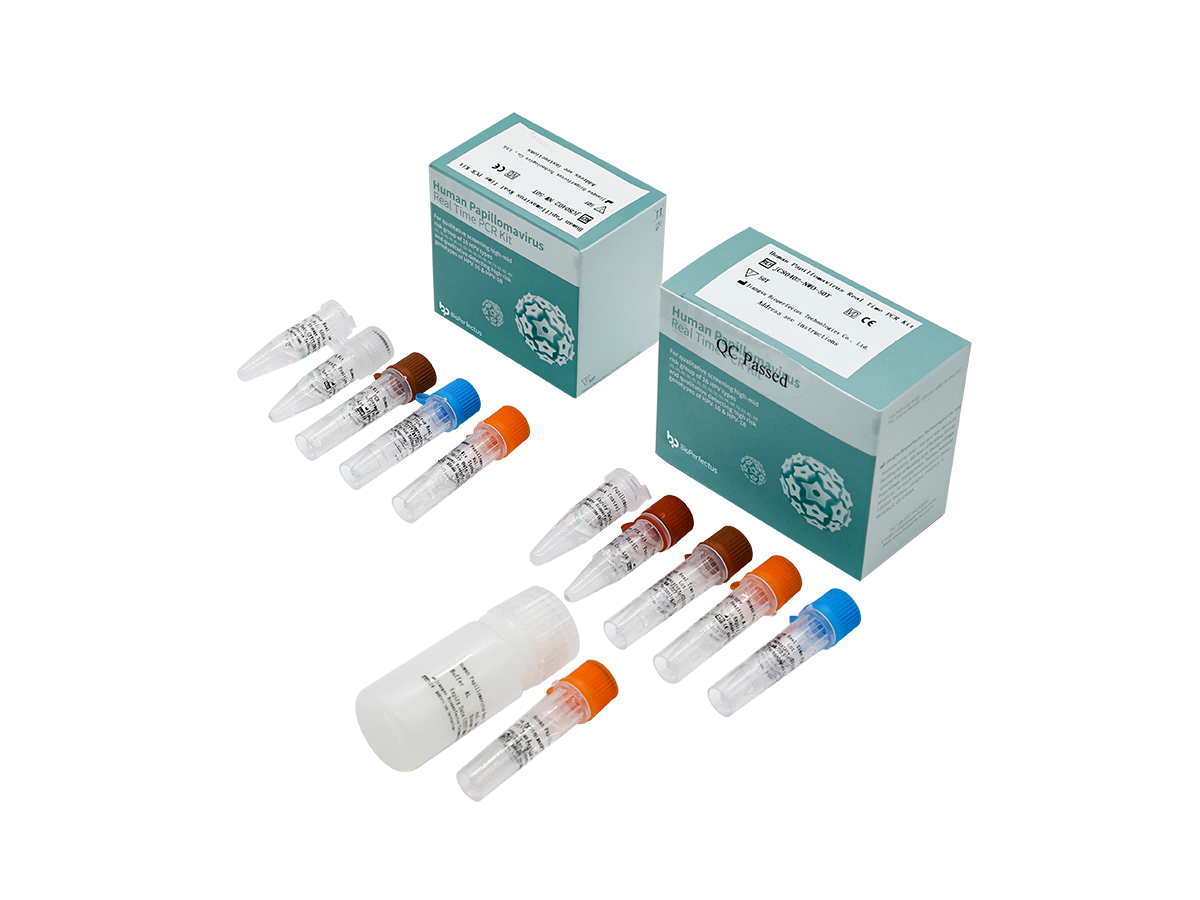
Reference laboratories frequently analyze diagnostic sensitivity, workflow throughput, and specimen versatility before purchasing commercial reagents for routine clinical operations. Understanding these technical parameters ensures healthcare facilities maintain high diagnostic standards while optimizing daily laboratory capacity across hospital networks.
Clinical laboratories implementing nucleic acid amplification methods must examine how effectively commercial assays isolate viral DNA from diverse biological collection vessels. Pathology teams rely on standardized protocols that minimize manual pipetting steps and reduce potential contamination risks during high-throughput extraction workflows.
Evaluating reagent stability, shipping requirements, and ease of integration into existing laboratory information systems helps prevent unexpected operational bottlenecks. Careful vendor selection directly influences long-term diagnostic accuracy and cost-efficiency in regional reference centers.
Evaluating Genotype Coverage and Analytical Sensitivity
Oncogenic risk stratification depends heavily on an assay’s ability to identify multiple high-risk viral variants within a single analytical run. Clinical laboratories evaluating a commercial hpv test kit must verify whether the formulation captures both primary cancer drivers and secondary oncogenic genotypes.
Assays designed for comprehensive primary screening target eighteen high-risk variants, including type 16 and type 18 alongside sixteen additional common oncogenic types. Providing separate reporting for HPV 16 and HPV 18 is essential for identifying patients requiring immediate colposcopic referral based on localized risk stratification.
Analytical sensitivity metrics dictate how reliably a molecular assay detects low viral loads during early infection stages or routine follow-up examinations. Validated testing parameters demonstrate a limit of detection of five hundred copies per milliliter specifically for HPV 16 and HPV 18 targets.
For the remaining sixteen oncogenic genotypes, the established detection threshold reaches three thousand copies per milliliter to ensure consistent analytical recovery. BioPerfectus engineers these robust thresholds to minimize false-negative results across diverse clinical populations without sacrificing overall analytical specificity.
Detecting co-infections involving multiple oncogenic variants requires optimized primer-probe sets that prevent competitive inhibition during the thermal cycling phase. High analytical specificity ensures that cross-reactivity with low-risk viral types or non-target microflora does not compromise qualitative screening outcomes.
Molecular pathologists examine analytical validation reports to confirm that amplification efficiency remains uniform across all fluorescent detection channels. Maintaining stringent quality parameters guarantees trustworthy diagnostic data for attending clinicians managing complex patient histories.
Specimen Compatibility and Workflow Efficiency
Screening laboratories process heterogeneous biological matrices sourced from diverse clinical collection sites, ranging from hospital outpatient clinics to specialized women health centers. Molecular assays must accommodate cervical exfoliated cells, liquid-based cytology media such as ThinPrep or BD SurePath, and direct cervical swabs seamlessly.
Utilizing a standardized five-microliter sample input volume conserves precious biological material while maintaining consistent nucleic acid recovery across extraction runs. Such multi-matrix compatibility prevents workflow interruptions and reduces sample preparation errors for technical personnel handling high-volume daily workloads.
Throughput velocity directly influences hospital turnaround times and departmental operational costs during peak diagnostic demand periods. High-throughput real-time thermal cyclers process up to ninety-six reactions within one hundred minutes, ensuring timely reporting for referring physicians.
BioPerfectus optimizes reaction kinetics and thermal profiles to streamline laboratory scheduling without requiring specialized, closed-system hardware infrastructure. Molecular managers prioritize reagents that integrate smoothly into existing core facilities while maximizing daily testing capacity across multidisciplinary shifts.
Automated extraction workstations further enhance laboratory productivity by processing magnetic bead-based nucleic acid isolation with minimal manual intervention. Technicians benefit from integrated error-reduction features and software interfaces designed to simplify daily instrument operation and data exportation.
Streamlining the analytical pipeline reduces overall hands-on technician time, lowering the risk of repetitive strain injuries and human error in busy reference labs. Operational efficiency remains a cornerstone of successful molecular diagnostics management in modern hospital environments.
Instrument Adaptability and Quality Assurance Protocols
Capital expenditure constraints require hospital procurement officers to select diagnostic reagents that operate on mainstream open-platform thermal cyclers already installed on-site. Avoiding proprietary hardware lock-in grants laboratory directors greater flexibility in equipment maintenance scheduling and long-term budget planning.
A reliable hpv test kit must demonstrate robust performance across standard real-time PCR instruments without compromising fluorescent signal detection or curve analysis accuracy. Equipment versatility ensures operational continuity and simplifies multi-vendor laboratory management strategies.
Clinical Performance Data and Statistical Validation
Diagnostic agreement metrics provide crucial evidence regarding assay reliability when compared against established clinical gold-standard methods in multi-center evaluations. Clinical performance data for the Human Papillomavirus Real-Time PCR Kit indicate a positive percent agreement of 95.19% alongside a negative percent agreement of 96.59%.
These high statistical benchmarks confirm that molecular laboratories can rely on consistent analytical outputs during large-scale public health screening programs. Rigorous statistical validation protects institutions against reporting ambiguous findings or misclassifying patient risk profiles.
Supply Chain Stability and Manufacturing Reproducibility
Supply chain stability and proper reagent storage parameters remain vital operational considerations for hospital inventory managers maintaining stock reserves on-site. Commercial diagnostic kits requiring storage temperatures of minus twenty degrees Celsius with a twelve-month shelf life simplify warehouse management.
BioPerfectus maintains strict manufacturing controls to ensure exceptional batch-to-batch reproducibility across large-scale commercial production cycles. Reliable product availability prevents unexpected operational shutdowns in busy clinical laboratories supporting regional cancer screening initiatives.
Strategic Assay Procurement for Cervical Cancer Prevention
Choosing appropriate molecular screening reagents ultimately determines the long-term clinical efficacy of regional cervical cancer prevention programs and patient follow-up pathways. Pathology directors who critically compare genotype breadth, analytical sensitivity, and open-platform compatibility position their institutions for sustainable success.
Selecting a validated hpv test kit ensures precise viral detection, workflow efficiency, and dependable clinical outcomes throughout demanding operational cycles. Strategic assay procurement safeguards public health infrastructure against preventable diagnostic delays and rising healthcare expenditures.