
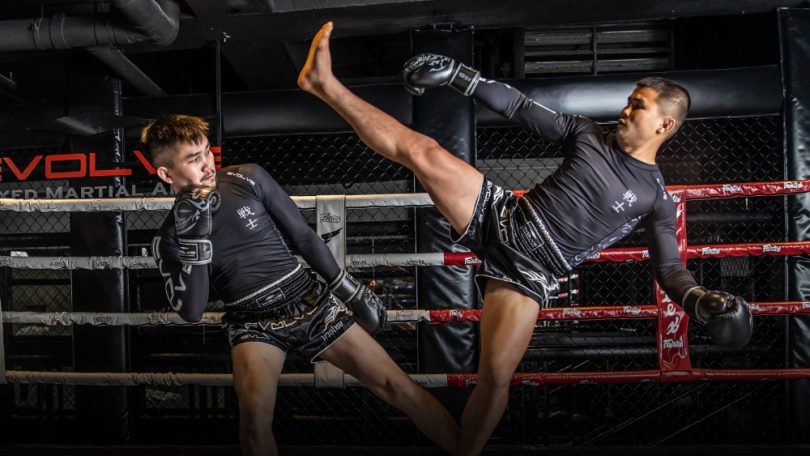

Muay Thai is far more than a collection of striking techniques designed for the ring. It is a living, breathing expression of Thai history, spirituality, and social values. Often referred to as the art of eight limbs, this discipline has evolved over several centuries from a battlefield necessity into a national treasure. When a traveler enters a traditional training class in Thailand, they are not merely visiting a gym. They are stepping into a cultural masterpiece. The environment of the camp serves as a sanctuary where the past and present collide, offering a profound look into the soul of a nation through the medium of physical struggle and respect.
The Sacred Rituals of the Training Ground
Every session in a Thai class is bookended by rituals that emphasize humility and gratitude. Before the gloves are even laced, students and fighters perform the Wai, a traditional gesture of respect toward their trainers and the training space. This cultural framework is what separates Muay Thai from many Western combat sports. The most famous of these rituals is the Wai Kru Ram Muay, a ceremonial dance performed before professional bouts. This dance is a way for the fighter to pay tribute to their teachers, parents, and ancestors. Even for a casual visitor, witnessing or participating in these daily acts of reverence provides a spiritual grounding that turns a simple workout into a meaningful cultural exchange.
Technical Precision as a Heritage Craft
The way Muay Thai is taught in Thailand resembles an apprenticeship in a fine craft. Trainers, many of whom have over 200 professional fights under their belts, pass down knowledge that has been refined through generations. There is a specific science to the way a Thai roundhouse kick is delivered, focusing on the rotation of the hip and the use of the shin as a high impact surface. Statistical analysis of striking force shows that a seasoned Thai boxer can generate enough power in a single kick to break a baseball bat. Learning these techniques in their place of origin allows you to appreciate the physics and the history behind every movement. You are not just learning to fight. You are learning a heritage skill.
The Role of Traditional Music and Atmosphere
The atmosphere of a Muay Thai class is defined by a unique sensory landscape. One of the most distinct elements is the Sarama, the traditional music that accompanies both training and fights. Played on a four piece ensemble including a reed oboe and drums, the tempo of the music dictates the pace of the action. This creates a rhythmic environment that helps fighters find their flow and timing. The scent of Namman Muay, the signature Thai liniment oil used for warming up muscles, further cements the experience. These sensory details create an immersive environment that transports the practitioner into a focused state of mind, away from the distractions of the modern world.
A Community Defined by Shared Values
The social structure of a Muay Thai class at Suwitmuaythai.com is built on the values of family and mutual support. In Thailand, the gym often functions as a home for young fighters who live and train together. This sense of community is extended to foreign travelers who show a genuine interest in the art. You are encouraged to push your limits, but you are also looked after by the collective. This shared effort creates a bond that transcends language barriers. By the time you finish a training block, you realize that the spirit of the strike is actually the spirit of the people. The camp is a masterpiece because it preserves the humanity and the heart of Thailand through the discipline of the sport.