
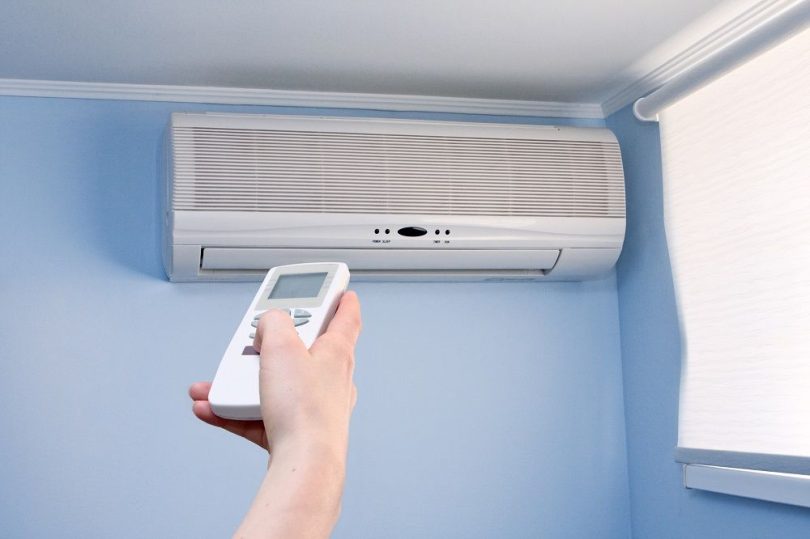

Let’s be real. When the summer heat rolls in like a steam train and your old fan sounds like it’s dying a slow, squeaky death, the idea of a new AC feels like salvation. But while flipping through brochures and scrolling online reviews might make the process seem straightforward, the truth is, installing a new air conditioner isn’t as plug-and-play as most of us think. It’s a bit like getting a tattoo — you want it done right the first time, or you’ll pay for it later.
This isn’t a “how-to” manual or some recycled listicle. It’s a conversation — a heads-up from someone who’s been through the AC maze. Let’s talk about what really goes down when you’re stepping into the cool, conditioned world of modern air.
The Real Cost Is in the Details
Sure, you’ve got your eye on that sleek, whisper-quiet unit with smart thermostat compatibility and all the bells and whistles. But here’s the kicker: the price tag you see online? It rarely includes everything.
Installation isn’t just someone screwing the unit onto your wall and walking away. There’s wiring, ductwork, potential structural tweaks, permits in some areas, and oh — don’t forget about removing the old clunker. Labor alone can eat a chunk of your budget.
And then there’s sizing. Not clothes-sizing, but system-sizing — a crucial but often skipped step. Too small, and it’ll work overtime (hello, high electricity bills). Too big, and it’ll short-cycle, wearing itself out and leaving the air sticky and weird.
It’s Not Just a Machine — It’s a System
One of the biggest surprises for me was realizing how much my home itself influenced the unit’s performance. Sunlight exposure, insulation quality, ceiling height, even the number of windows — they all matter.
A good contractor doesn’t just measure your living room and call it a day. They evaluate your entire home layout. It’s a bit like buying running shoes: you don’t just grab your size — you get fitted based on how you move.
If your installer shows up with the unit in hand and doesn’t even ask about insulation or airflow patterns? That’s a red flag the size of a beach towel.
AC Installation Is (Almost) an Art
Let’s give credit where it’s due. A proper AC installation isn’t just a technical task — it’s craftsmanship. A good tech will know how to minimize disruption to your walls and décor, route the refrigerant lines neatly, and make sure every component — indoor and outdoor — works harmoniously.
It’s like watching a pit crew at work: fast, precise, and impressively smooth when done right. And when done wrong? You’ll be sweating, cursing, and chasing support calls until fall.
This is where you don’t want to cheap out. Ask questions. Read reviews. Look for licensed and insured professionals. Your future cool, calm self will thank you.
When considering a new AC unit, it’s crucial to think beyond just the initial purchase. Many homeowners overlook the importance of regular maintenance, which can significantly extend the lifespan of your system and improve efficiency. Scheduling routine check-ups with a professional can prevent unexpected breakdowns and costly repairs. Additionally, understanding the energy efficiency ratings and how they impact your utility bills is essential. For those looking to dive deeper into optimizing their home’s cooling system, Click here for expert advice and insights. By staying informed and proactive, you can ensure your new AC unit serves you well for years to come, providing comfort and peace of mind.
Efficiency Isn’t a Luxury Anymore
We used to see energy efficiency as an optional bonus, like heated seats in a car. But in today’s climate (pun intended), it’s everything. A modern unit with a high SEER (Seasonal Energy Efficiency Ratio) rating doesn’t just save on bills — it reduces your environmental footprint.
Think long game here. That slightly pricier unit might pay for itself in a few years through energy savings. And if your utility provider offers rebates for energy-efficient models? Even better.
So when someone offers you a deal that seems “too good to be true,” check that SEER rating and ask about ongoing maintenance needs. Sometimes, spending a little more upfront saves a ton down the road.
When considering a new AC installation, it’s crucial to think about the long-term implications of your choice. Beyond just the initial cost, factors like energy efficiency, maintenance requirements, and the reputation of the installation company play significant roles. For those in the know, Metz Air Control is a trusted name, offering not just installation but also expert advice tailored to your specific needs. Their team ensures that your system is optimized for performance and longevity, which can save you money and hassle down the line. By choosing wisely, you can enjoy a comfortable home environment without unexpected surprises, making the decision a sound investment in your home’s future.
Be Prepared for the Awkward Middle Phase
Once the decision’s made, you’re not instantly living in frosty bliss. There’s usually a gap — sometimes a few days, sometimes longer — between purchase and install. And during that time? Things can get, well, warm.
My advice? Plan ahead. If you’re replacing a broken unit in the middle of July, stock up on fans, stay hydrated, and avoid hosting that dinner party you’ve been planning.
And once the installation starts, expect a bit of noise and mess. The process often involves drilling, ladder climbs, and a parade of tools that look straight out of a sci-fi movie.
Don’t Skip the First Test Run
After installation, don’t just assume all is well because cool air’s blowing. Spend time testing every feature. Adjust the temperature, check the airflow in different rooms, listen for weird sounds, and make sure the thermostat actually communicates with the unit.
Many systems these days come with apps. Sync it. Set up schedules. Play around with zones if it’s a multi-split system. It’s your machine now — get to know it.
And while you’re at it, ask the technician about maintenance tips. Filters, coils, drainage — these need regular attention. Think of it as a car that needs oil changes to keep purring.
When considering a new AC installation, it’s crucial to think about the long-term maintenance and potential repairs that might arise. Many homeowners overlook the importance of having a reliable service provider on hand for unexpected issues. For those in the Fredericksburg area, having a trusted Furnace repair service in Fredericksburg can make all the difference. This ensures that any heating or cooling issues are addressed promptly, keeping your home comfortable year-round. Regular maintenance checks can also extend the lifespan of your system, saving you money in the long run.
The Quiet Shift: Life After a New AC
There’s something oddly peaceful about a house with good climate control. You sleep better. Food doesn’t spoil as fast. Pets sprawl out on cool floors like royalty. It becomes part of your life, so seamlessly that you forget how miserable the heat used to make you.
But don’t forget that this comfort came from a decision — a well-informed one. Because let’s be honest: comfort isn’t just about staying cool. It’s about doing it smartly, efficiently, and in a way that doesn’t come back to bite you when the next power bill hits.
So whether you’re battling an ancient window unit or moving into a new place that feels like a sauna, take your time. Research. Ask neighbors. Get multiple quotes. Choosing the right new AC isn’t just about cooling your home — it’s about upgrading your everyday life.