
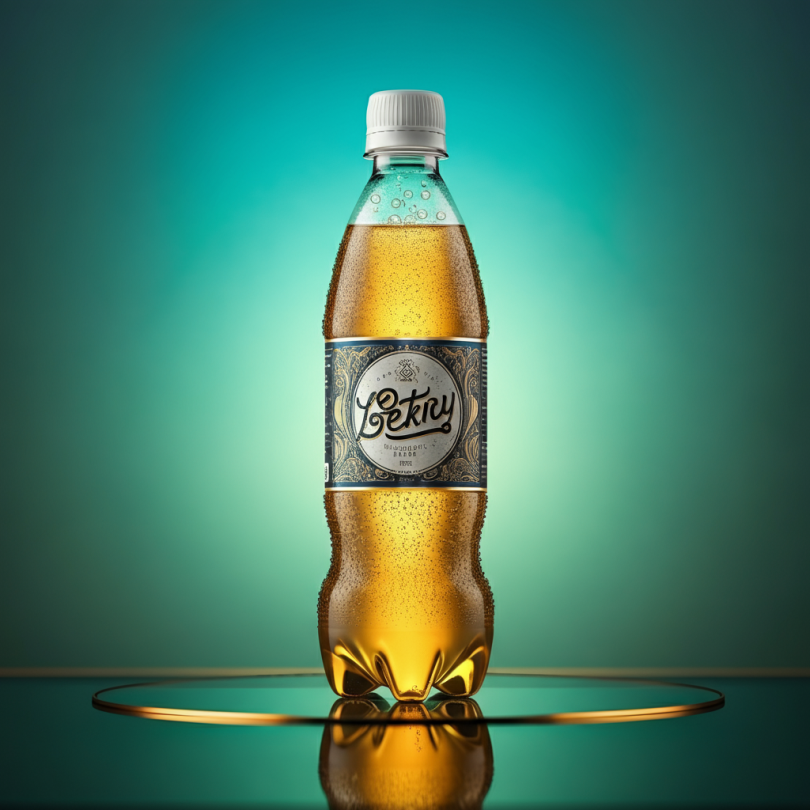

In the crowded landscape of the Asia Pacific beverage market, the first sip is taken with the eyes. Before a consumer ever tastes your cold brew coffee, craft beer, or sparkling water, they’ve already made a judgment call based entirely on your packaging. The curve of the bottle, the texture of the material, and the vibrancy of the design all tell a story.
For marketing managers and brand owners, the challenge is twofold: capturing attention in a split second while adhering to strict sustainability mandates and budget constraints. This is where the strategic application of beverage bottle labels becomes a game-changer. It’s not just about slapping a logo on a container; it’s about engineering a brand experience that resonates from the shelf to the recycling bin.
The Power of the “No-Label” Look
Modern aesthetics are shifting towards minimalism and transparency. Consumers want to see the product they are buying, which is why the “no-label” look is sweeping the market. This technique uses clear, pressure-sensitive films to create the illusion that the graphics are printed directly onto the bottle or can.
This approach offers significant advantages for custom drink bottle labels:
- Premium Appeal: It creates a sleek, sophisticated appearance often associated with high-end or artisanal products.
- Operational Efficiency: Unlike direct-to-container printing, pressure-sensitive labels allow for late-stage differentiation. You can use the same bottle inventory for different SKUs, reducing warehousing costs and waste.
- Flexibility: Whether you are dealing with glass or plastic, these films conform perfectly to contoured shapes, opening up new possibilities for structural packaging design.
Engineering for Sustainability and Performance
Sustainability is no longer a “nice-to-have”; it is a license to operate. However, eco-friendly packaging must also perform under pressure—literally. Beverage labels face unique challenges, including condensation, ice bucket submersion, and friction during transport.
Leading innovation in this space involves balancing form and function. For instance, creating custom drink labels requires materials designed for the entire lifecycle of the package. This includes:
- Application: High-speed dispensing with minimal scrap rates to increase line capacity.
- Durability: Resistance to moisture and scuffing to ensure the brand image remains pristine until consumption.
- End-of-Life: Adhesives and facestocks that facilitate recycling. For example, specific label technologies enable the label to separate cleanly from PET flakes during the recycling process, ensuring the plastic material remains pure and reusable.
By choosing the right materials, brands can “close the loop” without compromising on the visual impact needed to drive sales. Avery Dennison offers beverage bottle labels that are specifically made to cater to sustainability, and brand visibility at the same time.
Craft Beer: A Case for Creativity
The craft beer sector is a masterclass in using custom beverage bottle labels to build identity. In this segment, the label is often as important as the brew itself. Brewers are increasingly switching to pressure-sensitive labels to achieve tactile effects—think rough, paper-like textures for an organic feel or metallic finishes for a futuristic vibe.
Case studies, such as those from Side Project Brewing, demonstrate how bold labelling choices can make a definitive statement. Whether it is a limited-edition run or a flagship ale, the ability to customize beer and beverage labels allows for rapid adaptation to consumer trends and seasonal promotions.
Furthermore, innovations like combining keg collars with tap handle labels streamline the branding process for on-premise sales, ensuring consistency wherever the customer encounters the brand.
Navigating the Technical Landscape
Choosing the right drink labels involves navigating a complex matrix of technical specifications. It is essential to consider the application environment. Is the bottle hot-filled or pasteurized? Will it be stored in a freezer?
Partnering with a supplier who understands these nuances is critical. An expansive technical team can provide custom solutions that address specific pain points, such as:
- Adhesive performance: Ensuring labels stay put on cold, wet surfaces (a common issue in the Asia Pacific’s humid climates).
- RFID Integration: embedding technology for supply chain tracking and consumer engagement.
- Scrap Reduction: Switching to thinner liners or linerless solutions to reduce waste volume and disposal costs.
The Future of Custom Drink Labels
As we look ahead, the role of beverage bottle labels will only expand. We are moving towards “intelligent labels” that do more than identify the product. They will serve as portals to digital content, offering transparency about sourcing, carbon footprint data, and interactive brand stories.
For brands aiming to lead in sustainability and innovation, the label is the most versatile tool in the packaging arsenal. It is the bridge between the physical product and the consumer’s values. By prioritizing high-quality, eco-conscious materials and smart design, you ensure your beverage doesn’t just sit on the shelf—it stands out.