
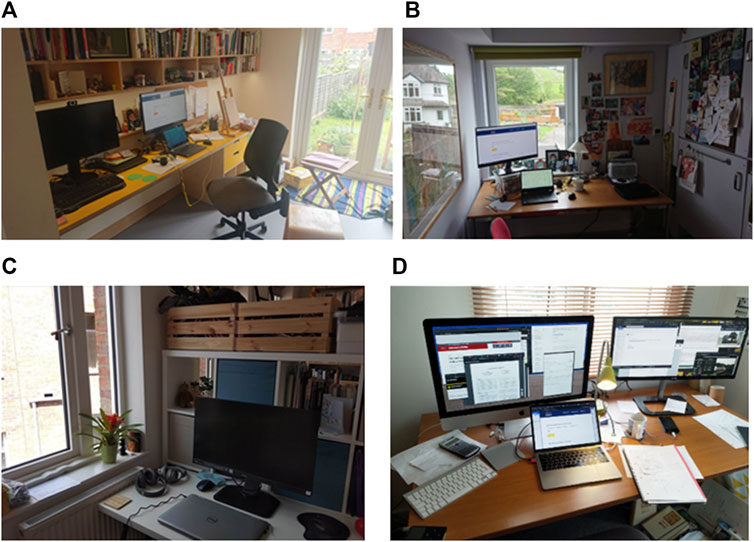

Remote work has changed much more than where we sit. It has reshaped how we think, how we focus, and how we design the spaces that surround our digital lives. What used to be a simple desk setup has evolved into an entire ecosystem of sensory cues. People now carefully curate soundscapes, lighting arrangements, and ergonomic tools in an attempt to build environments that feel both calming and productive. Some workers even incorporate stylistic habits seen in trends such as those explored through resources that help people learn vibe coding, using aesthetics and atmosphere as part of their workflow identity. What we are seeing is not a passing fad but a cultural shift in how people create spaces that support sustained attention.
As more of our jobs rely on cognitive stamina, individuals treat their home workspace like an extension of their mind. A well-adjusted environment becomes a performance tool, not just decoration. This helps explain why ambient workspaces have moved from niche interest to mainstream conversation.
Why Ambient Workspaces Are Gaining Popularity
The rise of ambient workspaces is driven by a need for control. Offices once provided predictable structures: ambient noise, routine lighting, and dedicated areas for focus. Home environments, however, vary wildly. People have had to recreate consistency using tools and sensory adjustments.
Sound plays an especially important role. Some workers prefer quiet, but many rely on subtle auditory textures to sustain attention. Background audio such as coffee shop recordings, rain soundtracks, or instrumental focus playlists has become a daily ritual. These soundscapes help regulate emotion and reduce the cognitive load created by unpredictable household noise.
Lighting is another key aspect. Natural light helps improve mood and energy levels, yet not everyone has access to ideal windows. To compensate, people use soft, diffused lamps or warm toned bulbs that mimic the ambience of comfortable cafes or studios. The glow is not just aesthetic. It creates a sense of psychological safety that encourages deeper focus.
Creating Environments That Support Cognitive Flow
Ambient workspaces are grounded in research that shows how environmental cues influence cognitive performance. The brain responds to sensory consistency, which helps it settle into steady rhythms of attention. When lighting is harsh, sound is unpredictable, or the chair is uncomfortable, the mind shifts into monitoring mode rather than immersion.
Ergonomics tie directly into this. Remote workers increasingly invest in adjustable chairs, standing desks, or well-designed keyboards. These tools reduce physical strain, allowing the brain to stay engaged longer. Small adjustments such as raising a monitor to eye level or positioning a seat near a plant can make a surprising difference.
The challenge is to create a space that feels both personal and functional. People are not just copying corporate aesthetics. They are designing environments that reflect the way they want to work. For some, this means minimalism. For others, it means maximalism, with layered textures, mood boards, and even playful coding rituals or themed work sessions.
The Emotional Side of Ambient Design
One of the lesser discussed aspects of ambient workspaces is the emotional layer. Remote work dissolves traditional boundaries between personal and professional life. Because of this, workers seek workspaces that feel emotionally supportive rather than strictly utilitarian.
A desk setup can become a grounding ritual. Turning on a desk lamp, starting a favorite playlist, and rearranging a few objects can serve as a transition from home mode to focus mode. This is especially helpful for those who share living spaces with family or roommates.
Scientific research supports these strategies. Studies cited by organizations such as the American Psychological Association highlight how emotionally pleasant environments reduce stress and improve cognitive resilience. Mood influences focus more than people often realize. A workspace that feels welcoming can help prevent burnout and promote consistent engagement.
Soundscapes as a Tool for Deep Work
Sound is the most customizable aspect of an ambient workspace. Some platforms offer curated background environments that simulate nature, bustling cafes, or soft electronic minimalism. People gravitate toward different sound textures depending on their cognitive needs.
For analytical tasks, steady rhythms can promote flow. For creative tasks, atmospheric tones help open mental space. This variety allows workers to choose their emotional setting with intention. The practice has become so common that many productivity discussions now include recommendations for sound-based work rituals.
Playful styles, including those connected to coding micro cultures, illustrate how people mix ambiance with creative identity. The point is not to copy an aesthetic but to orchestrate an environment that encourages immersion.
Lighting and Visual Atmosphere in Modern Workspaces
Lighting shapes attention in subtle ways. Cooler tones increase alertness, while warmer tones help reduce stress. Many remote workers combine both, using cooler light earlier in the day and warmer light in the afternoon.
Visual atmosphere also matters. Plants, color palettes, and curated desk accessories influence mood and perception. Even the presence of natural materials such as wood or stone can have a calming effect. Websites dedicated to environmental psychology, such as the findings shared by the Environmental Design Research Association, show how visual cues can increase well-being and improve task persistence.
This does not require elaborate design. Even small visual adjustments can shift how a workspace feels. A simple print on the wall, a textured notebook, or a soft desk mat can subtly support emotional balance.
Why People Personalize Their Tools and Workflows
Beyond aesthetics, personalized tools help reinforce identity. Remote work often blurs the sense of self associated with professional environments. Customizing workflows, software themes, and physical setups helps people feel grounded and self-directed.
This personalization also strengthens habit formation. When tools are arranged consistently, the mind begins associating that setup with focus. Daily rituals become smoother. The workspace becomes a companion rather than a constraint.
Digital communities play a large role here. Social platforms encourage sharing desk setups, inspiring users to experiment. Although these trends may appear superficial, they highlight a deeper motivation: creating an environment where work feels meaningful and sustainable.
Looking Ahead: The Future of Ambient Workspaces
As remote and hybrid work continue to evolve, ambient workspace design will likely become more sophisticated. Workers will integrate smarter lighting systems, adaptive sound environments, and ergonomic furniture that responds to posture.
The shift is not just about comfort. It is about recognizing that mental performance depends on emotional and sensory alignment. Ambient workspaces will become essential for anyone who relies on deep thinking, creativity, or sustained focus.
The future of work is not solely digital. It is sensory, personal, and deeply human. By shaping our environments intentionally, we shape the quality of our attention and the experience of our daily lives.
Conclusion
Ambient workspaces are more than visually appealing setups. They are practical, emotionally grounded environments designed to support the way modern workers think and feel. Through soundscapes, lighting, ergonomic design, and personalized rituals, people are finding ways to create the mental clarity and stability they need. In this new era of remote work, the right atmosphere is not an indulgence. It is a strategy, a tool, and for many, the key to staying balanced and productive.