
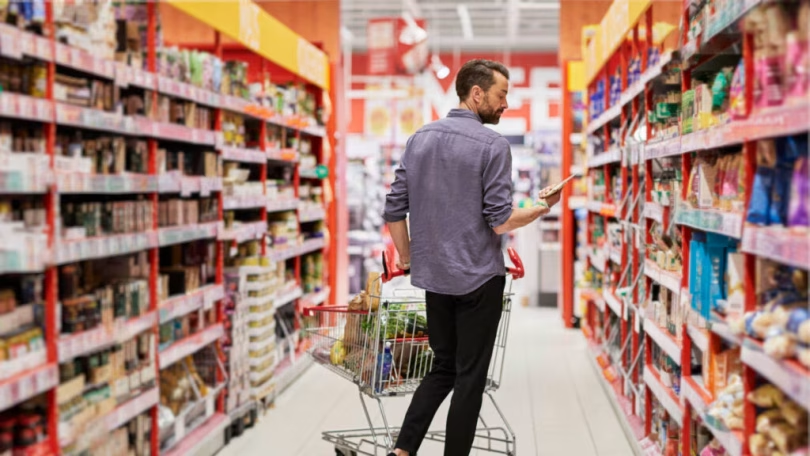

Picture yourself in the cereal aisle, surrounded by bright boxes and louder promises. You have seconds to choose. That’s the reality of fast-moving consumer goods (FMCG). Snacks, toiletries, and household staples represent quick moments of engagement where design, emotion, and trust collide. The challenge is to create a bond in a blink and a buying habit over time. These products don’t invite long reflection; they need to be love at first sight, every time.
Why FMCG Branding Is Different
Branding a luxury handbag isn’t like branding a bottle of shampoo. FMCGs live under different pressures: instant decisions, crowded shelves, repeated purchases, price sensitivity paired with emotional expectation, and broad audiences from toddlers to time-poor adults. In this space, every color, word, and symbol has a job to do. That’s why branding for fast moving consumer goods demands precision and creativity in equal measure. The stakes are high—if your product fails to connect in seconds, another one inches away will.
Packaging as Storyteller
Packaging is more than protection; it is the front-line storyteller. KitKat’s unmistakable red signals indulgence and sharing. Tide’s orange-and-blue conveys cleanliness and power. These visual cues let products promise benefits instantly, winning attention long before ads or slogans do. Think of packaging as a silent salesperson working 24/7 in stores and online. Without strong design, even a great product risks being invisible.
Emotion Drives Quick Choices
Even snap decisions are emotional. Oreo pairs an iconic cookie design with playful rituals—twist, lick, dunk—to embed nostalgia and togetherness. Ben & Jerry’s layers activism, fair-trade sourcing, and witty flavor names to attract buyers who want values as well as taste. Coca-Cola has mastered seasonal and emotional storytelling, from names printed on bottles to holiday campaigns that reinforce joy and belonging. These emotional hooks keep shoppers loyal, even in the face of cheaper or newer competitors.
When Function Becomes Identity
Sometimes utility itself defines the brand. The Pringles can doesn’t only stand out; it protects chips and signals order and freshness. Nutella’s curved jar is ergonomic, reusable, and instantly recognizable. Heinz’s upside-down ketchup bottle is another clever innovation—practical for consumers while reinforcing the brand’s role as a problem-solver. These details quietly build loyalty because consumers associate design with thoughtfulness and convenience.
Trust, Consistency, Repeat
FMCG loyalty grows through repetition. Colgate’s red-and-white codes and dependable product experience have built trust across generations. Consistency in quality and messaging transforms occasional buyers into automatic ones. Coca-Cola’s flavor and logo have barely changed in a century, yet remain instantly relevant worldwide. A break in that consistency, however small, risks losing trust quickly. For brands in this space, reliability is as powerful as novelty.
The Digital Shelf
Aisles now extend into smartphones. Social storytelling, online reviews, and e-commerce thumbnails are part of branding as much as packaging. Oreo mirrors its playful personality in digital campaigns that reinforce the in-store connection. Brands that invest in strong online visuals and unboxing experiences often create loyalty before a shopper ever steps into a supermarket. With TikTok, Instagram, and delivery apps shaping habits, FMCG storytelling must work across shelves, screens, and social feeds.
Takeaways
Grab attention instantly. Tell authentic stories. Balance looks with utility. Stay consistent to earn trust. Expand branding into digital spaces where purchase journeys often begin. Above all, remember that every design choice carries weight because every second in FMCG branding matters.
Conclusion
Branding for fast moving consumer goods branding isn’t decoration; it’s a mix of psychology, design, storytelling, and utility that turns everyday items into trusted habits. Next time you pick up a favorite snack or detergent, notice how color, shape, and memory choreograph your choice. In a world of abundance and hurry, FMCG success depends on making every second—and every decision—count.